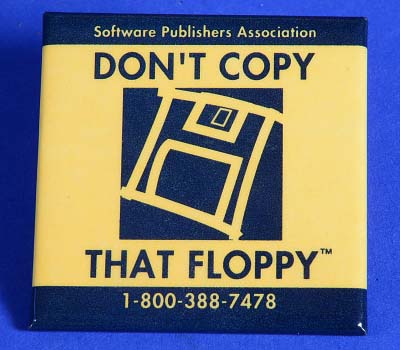
Why does piricy exist?
“Digital piracy refers to the illegal copying or distribution of copyrighted material via the Internet. It negatively affects the creative industries, including film, TV, publishing, music and gaming.” (Source) Legality aside piracy is still prevalent. Why is that? In some places in the world, access to software is locked by political factors or technological limitations. However, as the world evolves this technology is more important, so if your country won’t supply you with the means, you find them yourself, you look online for alternatives and find others with the same problem. This is the early stages of accepting Piracy. Now chances are that the ones who read this are not if a foreign country without the luxury of paying for your own software, but you will find piracy still prevalent in countries with stable economic conditions, why is that?
Piracy stems from many instances of both economic factors and limited access to global markets. The term piracy comes from the term form the 1700's where merchant ships were robbed of their goods and money on the high seas. Nowadays the term is more commonly used for copying, distributing, or using copyrighted material without authorization. The early days for digital piracy around the 1990's may have started by sharing music files online though services like LimeWire or Napster. The idea of not having to pay for music was very popular, and thus the idea of digital piracy started. Once technology advances more opportunities for were available, from games to software, people were copying and distributing content everywhere.
Contact me
gregersenj868@maocmb.edu